
TMJ Disorder Treatment in Greenwich, CT
At Greenwich Smiles, we evaluate jaw symptoms and function to help determine what may be contributing to your discomfort and whether conservative dental treatment may be appropriate.
What Are TMJ Disorders?
The temporomandibular joints, or TMJs, connect your lower jaw to your skull on each side of your face. Together with the surrounding muscles and tissues, these joints allow you to chew, speak, yawn, and move your jaw.
Temporomandibular disorders, or TMDs, are a group of conditions that cause pain or dysfunction involving the jaw joints, chewing muscles, or related structures. Symptoms can be temporary for some patients and more persistent for others.
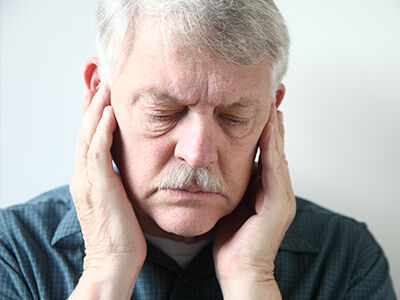
Signs and Symptoms of TMJ Disorders
TMJ disorders can affect patients differently. Common symptoms may include:
- Jaw pain or tenderness
- Pain in the chewing muscles
- Jaw stiffness
- Difficulty opening or closing the mouth
- Jaw locking
- Painful clicking, popping, or grinding with jaw movement
- Facial or neck discomfort
- Headaches
- Changes in the way the teeth come together
Clicking or popping without pain is common and does not necessarily require treatment. Persistent pain, limited jaw movement, or other functional problems should be evaluated.
What Causes TMJ Problems?
There is not always one identifiable cause of a TMJ disorder. Jaw symptoms may be associated with factors such as:
- Jaw or facial injuries
- Arthritis affecting the jaw joint
- Muscle tension
- Teeth grinding or clenching
- Repetitive jaw habits
- Stress that contributes to jaw-muscle tension
For many patients, several factors may contribute at the same time.
Grinding and clenching can add stress to the jaw muscles and teeth. When bruxism is present, a custom night guard may sometimes be considered to help protect the teeth.
TMJ Treatment Options
Treatment depends on your symptoms and the structures involved. Because many TMJ problems improve with time or conservative care, treatment generally begins with approaches that do not permanently alter the teeth, bite, or jaw joint.
Depending on your needs, recommendations may include:
Self-Care
Simple measures such as eating softer foods temporarily, avoiding excessive jaw movements, limiting gum chewing, and using heat or cold as directed may help reduce symptoms.
Managing Grinding and Clenching
Reducing habits that repeatedly stress the jaw may help some patients. If nighttime grinding contributes to tooth wear or muscle strain, an oral appliance may be considered.
Oral Appliances
A stabilization appliance or night guard may be appropriate for certain patients. These removable appliances fit over the teeth and should not be designed to permanently change your bite.
Additional Care
Depending on the nature and severity of the problem, your dentist may recommend coordinating additional care with a physician, physical therapist, or another healthcare professional.
The appropriate treatment varies because TMJ disorders do not have a single cause or universal solution.
Everyday Ways to Reduce Jaw Strain
If you are experiencing jaw discomfort, small changes may help reduce unnecessary stress on the joints and muscles.
Try to avoid repeatedly clenching your teeth, chewing gum, biting your nails, or opening your mouth extremely wide. Softer foods may also be easier to manage during periods of increased discomfort.
Your dentist can recommend options based on your specific symptoms rather than a one-size-fits-all approach.
Frequently Asked Questions About TMJ Disorders
Is it TMJ or TMD?
TMJ refers to the temporomandibular joint itself. TMD refers to the group of disorders that affect the jaw joint, chewing muscles, and related structures. “TMJ disorder” is also commonly used when referring to these conditions.
Does jaw clicking mean I have a TMJ disorder?
Not necessarily. Clicking or popping without pain is common and generally does not require treatment. Painful clicking, limited movement, locking, or other symptoms may warrant evaluation.
Can grinding my teeth cause jaw pain?
Grinding and clenching can strain the chewing muscles and may contribute to jaw discomfort in some patients. Your dentist can look for signs of bruxism and determine whether a night guard or another approach may be appropriate.
Can a night guard help with TMJ symptoms?
A night guard or stabilization appliance may be considered for certain patients, particularly when grinding or clenching is present. However, oral appliances do not help every type of TMD, and current evidence for pain relief is limited.
Do TMJ disorders go away on their own?
Some TMJ symptoms are temporary and improve without extensive treatment. Others can become persistent or recurring. Conservative care is generally recommended before considering more invasive treatment.
Can stress affect TMJ symptoms?
Stress can contribute to muscle tension and habits such as jaw clenching, which may worsen discomfort for some patients. Relaxation and behavioral approaches may help manage certain TMD symptoms.
When should I see a dentist about jaw pain?
Consider an evaluation if jaw pain is persistent, limits your ability to open or close your mouth, affects eating or speaking, or is accompanied by locking or other concerning changes in jaw function.
Find Relief From Jaw Discomfort
If jaw pain, stiffness, clenching, or difficulty moving your jaw affects your daily comfort, Greenwich Smiles can evaluate your symptoms and help determine the right next step.
Contact our Greenwich dental office to schedule an evaluation for TMJ-related concerns.