
Root Canal Treatment in Greenwich, CT
A root canal can help relieve tooth pain, treat infection, and preserve a natural tooth that might otherwise need to be removed. Despite its reputation, modern root canal treatment is performed with local anesthesia and is designed to eliminate the source of discomfort rather than cause it.
At Greenwich Smiles, our goal is to treat the affected tooth while preserving as much of your natural smile as possible.
What Is Root Canal Treatment?
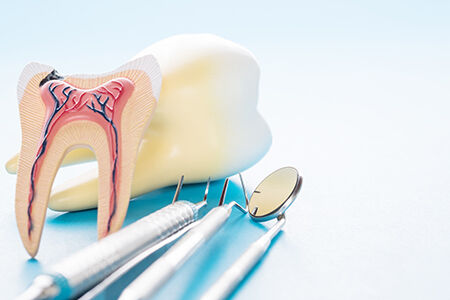
Inside every tooth is soft tissue called dental pulp, which contains nerves and blood vessels. When this tissue becomes severely inflamed, infected, or damaged, it may no longer heal on its own.
Root canal treatment removes the affected pulp, cleans and disinfects the inside of the tooth, and seals the canals to prevent further infection.
Once treatment is complete, the tooth can remain in place and continue functioning without the damaged pulp.

Signs You May Need a Root Canal
- Persistent or severe tooth pain
- Lingering sensitivity to hot or cold
- Pain when biting or chewing
- Swelling or tenderness around a tooth
- A dental abscess
- A darkened or discolored tooth
- A chipped, cracked, or fractured tooth
- A tooth that becomes unusually loose
Benefits of Root Canal Treatment
Preserves Your Natural Tooth
Root canal therapy may allow a severely damaged or infected tooth to remain in place rather than being extracted.
Relieves the Source of Tooth Pain
By removing inflamed or infected tissue from inside the tooth, root canal treatment addresses the underlying cause of many severe toothaches.
Restores Dental Function
Once the tooth has been treated and properly restored, it can continue to function for biting and chewing.
Helps Prevent Infection From Worsening
Treating an infected tooth promptly can prevent the dental infection from progressing and causing additional oral health problems.

What to Expect During a Root Canal
The tooth is numbed with local anesthesia before treatment begins. Your dentist then creates a small opening in the tooth to access and remove the damaged or infected pulp.
The inside of the tooth and its root canals are carefully cleaned, shaped, and disinfected before being filled and sealed with a dental material.
Some root canals can be completed in one appointment, while others may require additional visits depending on the tooth’s anatomy and whether an active infection is present.
For patients who experience significant dental anxiety, sedation dentistry may also be available when appropriate.
Root Canal Treatment vs. Tooth Extraction
When a tooth can be predictably restored, preserving the natural tooth with root canal treatment is often preferable to removing it.
An extraction may be necessary when a tooth is too severely damaged to repair or lacks enough healthy structure or support to remain functional.
Removing a permanent tooth may also require a replacement, such as a dental bridge or denture, while successful root canal treatment allows the natural tooth to remain in place.
Your dentist will evaluate the tooth’s condition and determine whether it can reasonably be preserved.
Restoring Your Tooth After a Root Canal
A tooth may be more vulnerable to fracture after root canal treatment, particularly when it has already lost significant structure from decay, damage, or previous dental work.
Depending on the tooth and how much healthy structure remains, your dentist may recommend a permanent restoration, such as a ceramic crown, to strengthen and protect it.
Until your dentist places the final restoration, follow their instructions and avoid putting unnecessary pressure on the treated tooth.
Frequently Asked Questions About Root Canals
Is a root canal painful?
The tooth is numbed with local anesthesia during treatment. Root canal therapy is intended to relieve the pain caused by damaged or infected tissue inside the tooth. Some temporary tenderness may occur afterward.
How long does a root canal take?
Treatment time depends on the tooth, the number and shape of its canals, and whether infection is present. Some root canals can be completed in one visit, while others may require additional appointments.
Do I need a root canal if my tooth does not hurt?
Possibly. A tooth can sometimes have significant pulp damage or infection without causing obvious pain. Dental examinations and X-rays may identify problems before noticeable symptoms develop.
Will I need a crown after a root canal?
Not every root canal-treated tooth requires the same restoration. A ceramic crown may be recommended when the tooth needs additional strength and protection, particularly if significant tooth structure has already been lost.
How long does a tooth last after root canal treatment?
A properly treated and restored tooth can remain functional for many years. Its longevity depends on the tooth’s condition, the final restoration, oral hygiene, bite forces, and ongoing dental care.
What should I do if my tooth hurts after a root canal?
Some temporary tenderness can occur after treatment. Contact Greenwich Smiles if discomfort is severe, continues longer than expected, worsens, or is accompanied by swelling or other signs of infection.
Can a tooth need another root canal later?
In some cases, a previously treated tooth can develop another problem and require additional endodontic treatment. Your dentist can evaluate the tooth and determine the appropriate next step.
Preserve Your Natural Tooth With Root Canal Treatment
If you are experiencing persistent tooth pain, sensitivity, swelling, or signs of infection, root canal treatment may help relieve the problem while preserving your natural tooth.
Contact Greenwich Smiles for an evaluation and to learn whether root canal treatment or another option is appropriate for your needs.